Ina Garten Lemon Curd Recipe : Creamy, Tangy & Perfect Dessert Spread!
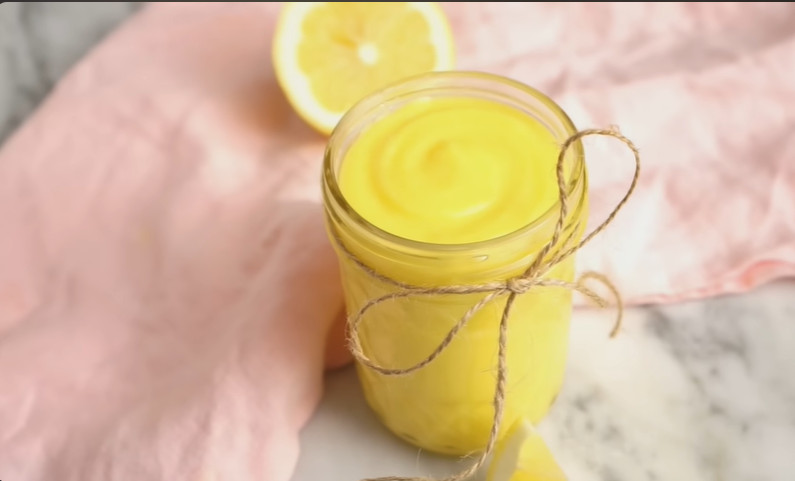
Craving something bright, tangy, and buttery smooth? My Ina Garten Lemon Curd recipe is the perfect balance of tart lemons and creamy richness. Inspired by the Barefoot Contessa herself, this recipe delivers a silky, sunshine-filled spread that’s perfect for toast, scones, cakes, or eaten by the spoonful. With just a handful of ingredients, you can whip up this classic homemade lemon curd that tastes far superior to anything store-bought.
Whether you’re hosting a brunch, preparing a dessert filling, or want a sweet indulgence, Ina Garten’s lemon curd is a versatile kitchen staple you’ll want to make again and again.
Lemon Curd Preparation
Making Ina Garten’s lemon curd is all about patience and gentle heat. Follow these steps carefully, and you’ll end up with a perfectly smooth and creamy curd every single time.
Step 1: Prepare the Lemon Sugar
I start by peeling three lemons using a vegetable peeler, making sure to avoid the bitter white pith. The zest goes straight into my food processor along with the sugar. I pulse until the zest is finely minced and fully infused into the sugar. This step ensures maximum lemon flavor in every bite.
Step 2: Cream the Mixture
Next, I combine the lemon-sugar mixture with the butter. Using my mixer, I cream them together until light and fluffy. Then, I add the eggs one at a time, mixing well after each addition. Finally, I pour in the freshly squeezed lemon juice and a pinch of kosher salt. The mixture will look slightly curdled at this stage, but don’t worry, it will come together beautifully as it cooks.

Step 3: Cook Slowly and Gently
I transfer the mixture to a 2-quart saucepan and set it over low heat. Constant stirring is key here; you don’t want scrambled eggs! Slowly, the curd thickens and becomes luxuriously smooth. The goal is to reach around 170°F, which is just below a simmer. This usually takes about 10–15 minutes.
Step 4: Strain for Smoothness (Optional)
For an extra silky lemon curd, I like to pour the mixture through a fine-mesh strainer into a clean bowl. This removes any bits of zest or egg that didn’t fully blend in.
Step 5: Cool and Store
Once thickened, I let the lemon curd cool at room temperature before transferring it to jars. It will continue to thicken as it chills in the refrigerator. Stored properly, it lasts up to 2 weeks, and trust me, it won’t last that long because it’s irresistible!
Serving and Uses for Lemon Curd
The beauty of Ina Garten’s lemon curd lies in its versatility. I find myself reaching for it at breakfast, tea time, and even when baking desserts for guests. Here are some of my favorite ways to serve and enjoy it:
As a Breakfast Spread
I love spreading lemon curd generously over warm scones, buttery croissants, or simple toast. The tangy flavor instantly brightens up any morning.
As a Dessert Filling
Lemon curd makes an elegant filling for cakes, cupcakes, or tarts. I especially enjoy layering it between sponge cakes or spooning it into mini tart shells topped with fresh berries.
Swirled Into Yogurt or Ice Cream
For a quick indulgence, I swirl a spoonful into Greek yogurt or drizzle it over vanilla ice cream. It adds a burst of citrusy freshness that balances sweetness perfectly.
As a Cheesecake Topping
If you’re making a classic cheesecake, try spreading a glossy layer of lemon curd over the top. It not only looks beautiful but also adds a refreshing twist.
Straight from the Spoon
Sometimes, I skip all the fuss and enjoy it by the spoonful right from the jar. It’s that good!
Decoration and Garnishing Ideas
If I’m serving lemon curd at a party or brunch, I like to make it visually appealing too:
- Fresh Fruit: Garnish with raspberries, blueberries, or thin lemon slices.
- Whipped Cream: A dollop of cream balances the tanginess perfectly.
- Powdered Sugar Dusting: For a bakery-style finish when using lemon curd in tarts or pastries.
This spread doesn’t just taste divine, it can also elevate the look of any dessert or dish it touches.
Storage Instructions
How to Store Lemon Curd
Once cooled, I always transfer my lemon curd into clean, airtight glass jars. It keeps beautifully in the refrigerator for up to 2 weeks. Make sure to cover the surface with plastic wrap before sealing the jar to prevent a skin from forming.
Freezing Lemon Curd
Did you know you can freeze lemon curd? I portion it into freezer-safe containers, leaving a little room at the top for expansion. It freezes well for up to 3 months. When I’m ready to enjoy it again, I thaw it overnight in the fridge and give it a quick whisk to restore its creamy consistency.

Ina Garten Lemon Curd Recipe
Ingredients
Video
Notes
Required Kitchen Tools
When preparing lemon curd, having the right tools on hand ensures a smooth and fuss-free cooking process. Here’s what I recommend:- Food Processor: To blend lemon zest and sugar into a fragrant mixture.
- Mixing Bowls: Essential for combining ingredients before cooking.
- Whisk or Electric Mixer: To ensure the eggs, sugar, and butter cream are mixed perfectly.
- Medium Saucepan (2-quart): For cooking the lemon curd gently without burning.
- Fine Mesh Strainer (optional): If you want the curd extra smooth and silky.
Frequently Asked Questions (FAQ)
1. Can I make lemon curd ahead of time?
Yes, absolutely! I often make my lemon curd a few days in advance. Once cooled, I store it in airtight jars in the refrigerator. It stays fresh for up to two weeks and is perfect for meal prep or entertaining.
2. Why did my lemon curd turn out lumpy?
If your lemon curd looks lumpy, it usually means the eggs cooked too quickly. To avoid this, I always cook it slowly over low heat while stirring constantly. You can also strain the finished curd through a fine-mesh sieve for a silky-smooth finish.
3. Can I use bottled lemon juice instead of fresh lemons?
While bottled lemon juice will work in a pinch, I strongly recommend using freshly squeezed lemons. The zest and juice from fresh lemons give this recipe its signature bright, citrusy flavor.
4. How do I know when my lemon curd is ready?
I know my lemon curd is ready when it coats the back of a spoon and reaches about 170°F on a thermometer. It should be thick, glossy, and smooth, but not boiling.
5. Can lemon curd be frozen?
Yes! I freeze mine in small, freezer-safe containers for up to 3 months. Once thawed overnight in the fridge, I whisk it gently to bring back its creamy texture.
6. What can I serve lemon curd with?
Lemon curd is so versatile. I spread it on scones and toast, use it as a cake or tart filling, swirl it into yogurt, or spoon it over cheesecake. Sometimes, I even enjoy it straight from the jar!
Conclusion
Mastering Ina Garten’s lemon curd recipe has been a game-changer in my kitchen. It’s simple, fresh, and versatile, bringing a burst of sunshine to both sweet and savory dishes. From breakfast spreads to elegant desserts, this velvety curd transforms ordinary moments into something special.
The key lies in patience and gentle cooking, but the results are worth every minute. Whether you’re spreading it on scones, filling a tart, or sneaking spoonfuls from the jar, this lemon curd will quickly become a family favorite.
So, grab some fresh lemons, a little butter, and eggs, and let Ina’s timeless recipe brighten your day. I promise, once you taste this homemade lemon curd, you’ll never go back to store-bought again.
Sophia Smith is a passionate home baker and dessert enthusiast who loves sharing her favorite recipes, baking tips, and kitchen secrets. Through Roses Baking Passion, she inspires others to bake with love and creativity every day.