James Martin Slow Cooked Brisket Recipe
Craving that ultimate British comfort food? Let’s talk about James Martin’s Slow Cooked Brisket, a recipe that celebrates the magic of slow cooking. The brisket is first seared for a rich, caramelised crust, then gently bathed in a luxurious blend of beef broth, red wine, tomato paste, and Worcestershire sauce. The low-and-slow cooking method means the meat transforms into fork-tender perfection, while the sauce becomes rich, deep, and incredibly flavourful.
This is the kind of recipe you put on in the morning and let the oven do all the work while your home fills with an irresistible aroma. It’s hearty, rustic, and made for sharing, just as James Martin would serve it.
Brisket Preparation
Preparing brisket the James Martin way is all about layering flavours and letting time work its magic. Follow these steps for a melt-in-the-mouth result.
Searing the Brisket for Maximum Flavour
- Preheat the Oven: Set your oven to 350°F (175°C) so it’s ready for the slow cook.
- Season the Meat: Pat the brisket dry with kitchen paper. Sprinkle evenly with salt and black pepper on all sides.
- Sear to Perfection: In a large oven-safe pan or Dutch oven over medium-high heat, add a drizzle of oil. Place the brisket fat-side down first and sear for 3–4 minutes on each side until deep brown. This locks in juices and creates a beautiful crust.
- Remove and Set Aside: Transfer the seared brisket to a plate while you prepare the flavour base.
Building the Flavour Base
- Soften the Aromatics: In the same pan (don’t wipe it out), add the minced garlic and chopped onion. Cook over medium heat for 3–4 minutes until soft and fragrant, scraping up any caramelised bits from the bottom, these are pure flavour.
- Add Liquids & Seasoning: Stir in the tomato paste, then pour in the beef broth, red wine, and Worcestershire sauce. Stir well to combine, letting the mixture simmer for 2–3 minutes so the flavours meld.
Slow Cooking the Brisket
- Return the Brisket to the Pan: Nestle the brisket into the liquid, fat-side up, so it stays moist during the long cook.
- Seal in the Moisture: Cover tightly with a lid or double layer of foil.
- Oven Slow-Cook: Place in the preheated oven and cook for 8–10 hours, depending on the size of your brisket, until it’s tender enough to shred with a fork.
- Check Doneness: Use a meat thermometer; the internal temperature should reach at least 145°F (63°C), though for ultra-tender brisket, aim for 190–200°F (88–93°C).

Slicing and Serving the Brisket
Once your brisket is slow-cooked to perfection, it’s all about serving it beautifully and keeping those incredible juices locked in.
Resting Before Slicing
- Let It Rest: When the brisket is done, remove it from the oven and let it rest for at least 10 minutes, still covered. This allows the juices to redistribute so every slice is tender and moist.
- Transfer to a Cutting Board: Use tongs or a wide spatula to lift the brisket carefully; it will be very tender.
Slicing Like a Pro
- Cut Against the Grain: This is James Martin’s golden rule for brisket. Look for the lines running across the meat and slice perpendicular to them. This shortens the meat fibres, giving you softer bites.
- Thin or Thick? For a classic presentation, slice into ¼-inch thick pieces. If you want a rustic, hearty feel, go for slightly thicker slices.
Serving Suggestions
- With Creamy Mash: The rich sauce pairs beautifully with buttery mashed potatoes.
- Over Roast Veg: Place slices of brisket over a bed of roasted root vegetables for a hearty winter meal.
- With Yorkshire Puddings: A nod to British Sunday roasts, serve with Yorkshire puddings to soak up the juices.
- As Leftover Sandwiches: The next day, pile slices of brisket into crusty rolls with horseradish cream for a flavour-packed lunch.
James Martin–Style Presentation Tips
- Generous Sauce: Spoon plenty of the slow-cooked sauce over the slices before serving; it adds gloss and keeps the meat moist.
- Family-Style Platter: Present the brisket on a large wooden board or rustic serving tray for that inviting, home-cooked look.
- Fresh Garnish: Scatter freshly chopped parsley or thyme leaves over the top for a burst of colour and freshness.
Storage Instructions
Keeping Brisket Fresh
After cooking, let the brisket cool completely before storing. Place slices (or the whole piece) in an airtight container, along with some of the cooking juices to keep it moist. Store in the refrigerator for up to 3–4 days.
Freezing Brisket
For longer storage, wrap the brisket tightly in foil, then place it in a freezer-safe bag or container. Freeze for up to 3 months. To reheat, thaw in the fridge overnight before gently warming.
Reheating Tips
- Oven Method (Best for Retaining Moisture): Place the brisket in an oven-safe dish, pour over any reserved juices, and cover with foil. Heat at 300°F (150°C) for 20–30 minutes until warmed through.
- Stovetop Method: Slice the brisket, then heat gently in a pan with a splash of broth or sauce, covered, until piping hot.
- Microwave Method (Quick, but Less Ideal): Place slices on a microwave-safe plate, cover loosely, and heat in short bursts, checking often.
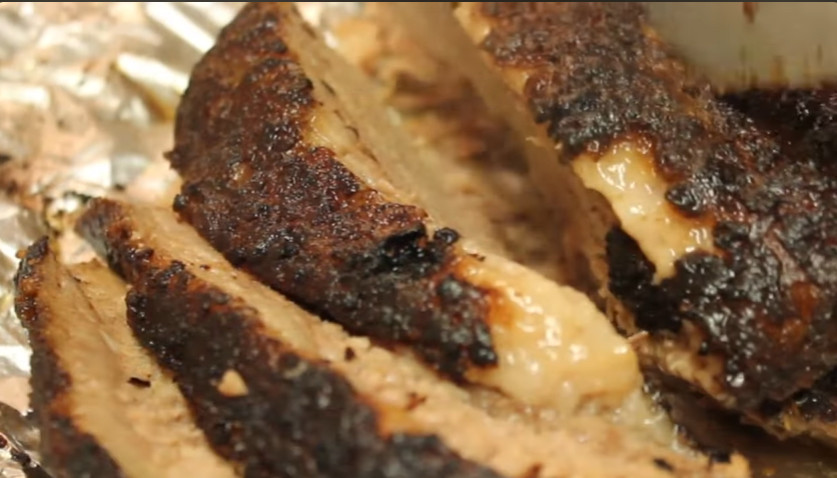

James Martin Slow Cooked Brisket Recipe
Ingredients
Video
Notes
Required Kitchen Tools
When cooking slow-cooked brisket, the right tools make all the difference in flavour and tenderness. Here’s what you’ll need:- Large Oven-Safe Pan or Dutch Oven – Perfect for searing the brisket and then transferring straight to the oven without changing pans.
- Sharp Chef’s Knife – To slice through the brisket cleanly once it’s cooked and rested.
- Cutting Board with Juice Groove – Brisket releases delicious juices when sliced, so a board with a groove helps catch them for serving.
- Meat Thermometer – To check that the brisket has reached the perfect internal temperature of at least 145°F for safe serving.
- Foil or Oven-Safe Lid – Essential for sealing in moisture during the long cooking time.
Frequently Asked Questions (FAQ)
1. Can I cook James Martin’s slow-cooked brisket in a slow cooker instead of the oven?
Yes! Sear the brisket as per the recipe, then transfer it to your slow cooker along with the liquid and aromatics. Cook on low for 8–10 hours or until fork-tender.
2. What’s the best wine for slow-cooked brisket?
A dry red wine like Cabernet Sauvignon, Merlot, or Shiraz works beautifully. These wines add depth and richness to the sauce without overpowering the beef.
3. Can I make this brisket ahead of time?
Absolutely. In fact, brisket tastes even better the next day. Cook it fully, let it cool, store it in the fridge with its juices, and gently reheat before serving.
4. How do I know when the brisket is done?
While the safe minimum internal temperature is 145°F (63°C), for fall-apart tenderness, aim for 190–200°F (88–93°C). Always slice against the grain for the best texture.
5. What can I serve with James Martin’s slow-cooked brisket?
Classic sides include creamy mashed potatoes, roasted carrots and parsnips, Yorkshire puddings, or buttery greens. For a twist, serve with crusty bread to mop up the sauce.
6. Can I freeze leftover brisket?
Yes. Wrap tightly in foil, place in a freezer-safe bag, and store for up to 3 months. Thaw overnight in the fridge before reheating.
Conclusion
Mastering James Martin’s Slow Cooked Brisket is all about patience, quality ingredients, and the magic of slow cooking. By searing the meat first, layering rich flavours, and letting the oven work its magic over 8–10 hours, you’re rewarded with beef that’s tender, juicy, and packed with depth.
This recipe is ideal for Sunday roasts, family gatherings, or when you simply want a comforting, hearty meal that feels like a warm hug. Serve it up with creamy mash, roasted veg, or Yorkshire puddings, and don’t be shy with that glossy, flavour-packed sauce.
Whether you follow James Martin’s style to the letter or put your own twist on the seasoning, slow-cooked brisket will always be a winner at the table, and the leftovers are just as irresistible. Now all that’s left is to gather your ingredients, clear a spot in the oven, and let the slow cooking begin.
Sophia Smith is a passionate home baker and dessert enthusiast who loves sharing her favorite recipes, baking tips, and kitchen secrets. Through Roses Baking Passion, she inspires others to bake with love and creativity every day.