Mary Berry Shortcrust Pastry Recipe – Bake Quick, Perfect Pastry at Home
Craving a buttery, crumbly pastry that melts in your mouth? Mary Berry’s Shortcrust Pastry Recipe is the perfect base for all your pies, tarts, and quiches. This simple yet classic recipe creates a golden, flaky crust that works beautifully with both sweet and savory fillings. Whether you’re making a fruit tart, custard pie, or a savory quiche, this pastry is a must-have in your baking repertoire.
Dough Preparation
Getting the perfect Mary Berry shortcrust pastry starts with preparing the dough correctly. This step ensures your pastry comes out buttery, crisp, and beautifully golden.
Mixing the Ingredients
Start by sifting the flour and icing sugar into a large bowl. Add the cubed butter and, using your fingertips, rub it into the flour until the mixture resembles fine breadcrumbs. This step is crucial as it creates the signature light, crumbly texture of shortcrust pastry.
Once the mixture is sandy, stir in the egg yolks, vanilla extract, and milk. Gently mix until the dough begins to come together. Avoid overmixing, as this can make the pastry tough rather than delicate.
Kneading and Chilling the Dough
When the mixture forms a rough dough, bring it together with your hands and transfer it onto a lightly floured surface. Knead gently for 1–2 minutes until smooth. Wrap the dough in cling film and chill it in the fridge for at least 30 minutes.
Chilling is essential because it relaxes the gluten, prevents shrinking during baking, and makes the pastry easier to roll out later.
Rolling and Fitting the Pastry
Once chilled, place the dough on a floured surface and roll it out evenly to about 3 mm thick. Carefully lift the pastry and drape it over your tart or pie pan. Press it down gently to fit, making sure to get into the edges and corners without stretching the dough.
Trim off any excess pastry hanging over the edges. Use a fork to prick the base lightly; this step prevents bubbling while baking.
Blind Baking the Shortcrust Pastry
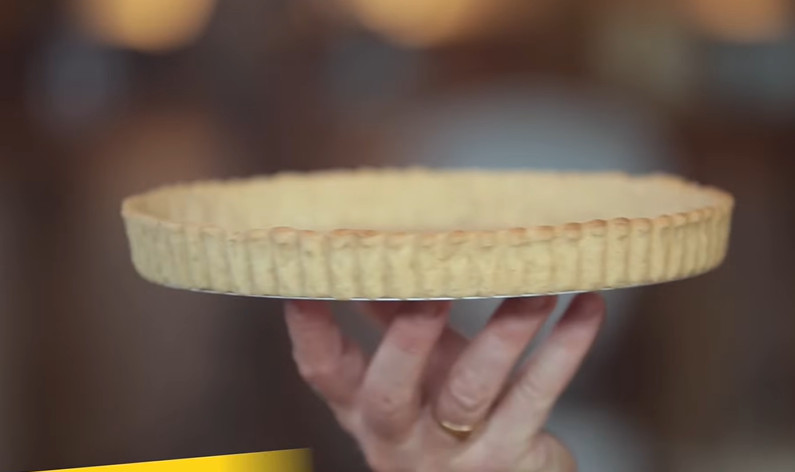
To achieve that perfectly crisp base Mary Berry is known for, blind baking is the key. This technique ensures your pastry is fully cooked before adding any moist filling, such as custards, fruits, or creams.
Lining and Weighing Down the Pastry
- Once your tart tin is lined with pastry, place a sheet of parchment paper over the dough.
- Fill the paper with baking beans (or uncooked rice if you don’t have baking beans). This weight keeps the pastry flat and prevents puffing during baking.
Baking Time
- Preheat your oven to 180°C (350°F).
- Bake the pastry with the beans for 10 minutes.
- Remove the paper and beans, then return the pastry to the oven for another 5 minutes until golden and crisp.
This two-step process guarantees a sturdy base that won’t turn soggy once filled.
Cooling and Preparing for Filling
After blind baking, allow the pastry shell to cool completely in its pan before adding your chosen filling. Once cooled, it can be used for a variety of sweet pies, tarts, or savory quiches. The neutral flavor of this shortcrust makes it incredibly versatile.
Tips for Perfect Shortcrust Pastry
- Keep Everything Cold: Cold butter and chilled dough are essential for that light, flaky texture.
- Don’t Overwork: Mix and knead gently to avoid tough pastry.
- Dock the Base: Always prick with a fork to release trapped air and prevent bubbles.
- Use Weights: Blind baking with beans or rice ensures an even, crisp finish.
- Chill Before Baking: Even after fitting the pastry into the tin, chill it for 10 minutes before baking to reduce shrinkage.
Serving Suggestions
Mary Berry’s shortcrust pastry is incredibly versatile. Once you’ve baked the base, you can transform it into a wide range of mouthwatering desserts and savory bakes:
- For Sweet Treats: Fill with custard and top with fresh fruit for a classic fruit tart, or add jam and sponge for a Bakewell tart.
- For Savory Options: Use the pastry as a base for quiches, savory pies, or cheese and vegetable tarts.
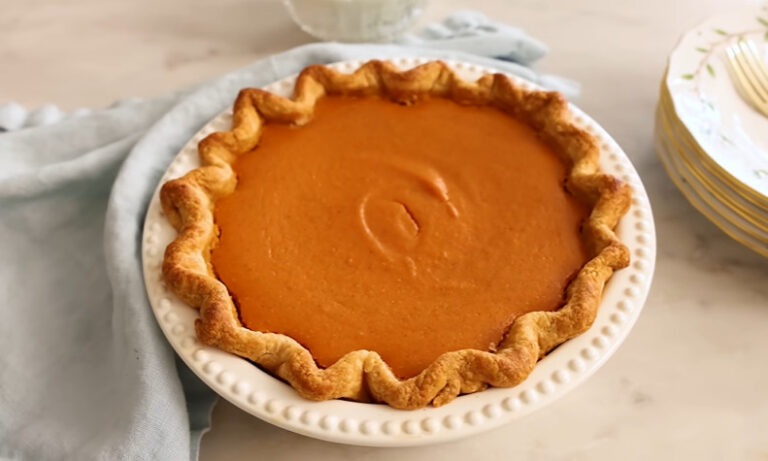
- Seasonal Ideas: In autumn, pair it with spiced pumpkin or apple pie fillings, while in summer, fresh berry compotes shine in this buttery crust.
Storage Instructions
Keeping Shortcrust Pastry Fresh
If you’re not baking immediately, wrap the raw dough tightly in cling film and store it in the refrigerator for up to 3 days. For a longer shelf life, the dough can be frozen. Thaw overnight in the fridge before rolling out.
Storing Baked Pastry Shells
Once baked, an unfilled pastry shell can be stored in an airtight container at room temperature for up to 2 days. For longer storage, freeze the shell for up to 1 month. To refresh, pop it in a preheated oven at 160°C for 5–7 minutes before filling.

Mary Berry Shortcrust Pastry Recipe
Ingredients
Video
Notes
Required Kitchen Tools
When preparing Mary Berry’s Shortcrust Pastry, having the right tools makes the process effortless and ensures a professional finish.- Mixing Bowls: A large bowl for combining dry and wet ingredients.
- Pastry Blender or Hands: To rub the butter into the flour for that perfect crumbly texture.
- Rolling Pin: Essential for rolling the chilled dough evenly.
- Tart or Pie Pan: A non-stick tart pan with a removable bottom works best.
- Baking Beans or Rice: Used to weigh down the pastry during blind baking.
- Parchment Paper: To line the tart shell before adding baking beans.
- Fork: For docking the pastry to prevent air bubbles.
Frequently Asked Questions (FAQs)
1. Can you freeze shortcrust pastry?
Yes! Shortcrust pastry dough freezes very well. Wrap it tightly in cling film and place it in a freezer bag. It will keep for up to 3 months. When ready to use, thaw overnight in the fridge before rolling and baking.
2. Why does my shortcrust pastry shrink in the oven?
Shrinking usually happens when the dough hasn’t been chilled long enough or if it was stretched while being rolled into the tin. Always let the dough rest in the fridge for at least 30 minutes before baking, and avoid stretching it when lining your tart tin.
3. How do I stop my pastry from going soggy?
Blind baking is the key. Lining the pastry with parchment paper and baking beans ensures a crisp base before you add any wet filling. For very wet fillings, you can also brush the base with a thin layer of beaten egg white after blind baking.
4. Can I make shortcrust pastry without eggs?
Yes, you can. Leave out the egg yolks and replace them with 2–3 tablespoons of cold water or milk to bind the dough. The texture will be slightly different but still delicious.
5. Is shortcrust pastry sweet or savory?
Mary Berry’s shortcrust pastry recipe is slightly sweetened with icing sugar, making it perfect for tarts and pies. However, you can omit the sugar if you want a plain version for savory recipes like quiches or meat pies.
6. Can I make shortcrust pastry in advance?
Absolutely! You can prepare the dough a day ahead and keep it chilled in the fridge. This makes it easier to roll out and also improves the texture of the baked pastry.
Conclusion
Mastering Mary Berry’s Shortcrust Pastry Recipe opens up a world of baking possibilities. With its buttery flavor, tender crumb, and crisp texture, this pastry is the foundation of both timeless classics and creative new desserts. By following the simple steps, mixing, chilling, blind baking, and filling, you’ll achieve bakery-quality results right in your own kitchen.
So, whether you’re planning a rich chocolate tart, a zesty lemon pie, or a savory quiche, this shortcrust pastry will never let you down. Once you’ve perfected it, you’ll find yourself reaching for this recipe again and again.
Sophia Smith is a passionate home baker and dessert enthusiast who loves sharing her favorite recipes, baking tips, and kitchen secrets. Through Roses Baking Passion, she inspires others to bake with love and creativity every day.