Medieval Meat Pie Recipe | Hearty & Savory
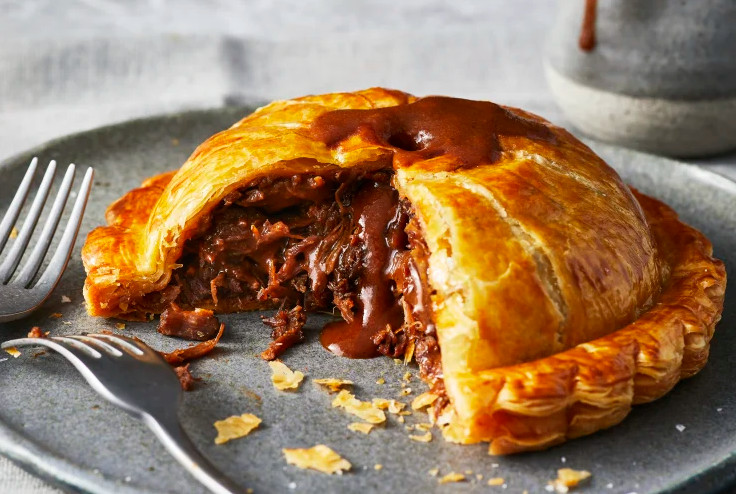
Craving a hearty taste of the Middle Ages? Step into the world of Medieval Meat Pie, a rustic and savoury dish that once graced the tables of kings, knights, and peasants alike. Unlike today’s pies, medieval versions were packed with slow-braised beef, root vegetables, warming spices like cinnamon and cloves, and wrapped in a buttery, flaky crust. This dish not only fed hungry households but also carried the essence of medieval feasts, hearty, filling, and rich with flavour.
Whether you’re a history enthusiast, a fan of medieval banquets, or simply someone who loves a robust comfort food recipe, this Medieval Meat Pie is the perfect blend of authenticity and taste.
Dough Preparation
Making the perfect crust is what truly elevates a Medieval Meat Pie. The buttery, flaky pastry balances the hearty filling and gives it that rustic authenticity.
Mixing the Ingredients
I start by combining flour and salt in a large mixing bowl. Then, I cut in the cold butter using a food processor (or pastry cutter if you want a more medieval, hands-on approach). The butter should be in tiny pea-sized pieces; this is what creates that flaky texture.
Slowly, I add ice water, mixing just until the dough begins to come together. It’s important not to overwork it. Once the dough is formed, I divide it into two portions: one larger (⅔ of the dough) for the base, and a smaller portion (⅓ of the dough) for the top crust.
I wrap both portions in plastic wrap and chill them in the refrigerator for about 30 minutes. This step keeps the butter cold, which is crucial for a flaky crust.
Filling Preparation
While the dough chills, I turn my attention to the savoury filling. Medieval pies were often rich and spiced, and this recipe stays true to that tradition.
Browning the Beef
I begin by tossing the beef cubes with flour, salt, and pepper. This not only seasons the meat but also helps thicken the gravy later. I heat a Dutch oven over medium-high heat, melt the butter, and brown the beef in batches until all sides are caramelised. Once browned, I remove the meat and set it aside.
Cooking the Vegetables
In the same pot, I add the chopped carrots, leeks, and onions. I sauté them until they’re lightly browned and aromatic. This builds a flavour base for the pie.
Deglazing and Braising
Next, I pour in the beer to deglaze the pot, scraping up all the flavorful bits stuck to the bottom. Then I add the beef stock and return the browned beef to the pot. For seasoning, I stir in the ground cloves and cinnamon; these warm medieval spices add a distinctive flavour that sets this pie apart from modern versions.
I cover the Dutch oven and let it braise in the oven at 350°F for about 2 hours, or until the meat is tender and the sauce has thickened into a rich gravy. Once it’s done, I remove it from the oven, let the filling cool slightly, and stir in the peas for a touch of colour and sweetness.
Shaping and Assembling the Medieval Meat Pie
Once my filling has cooled and the dough is properly chilled, it’s time to bring everything together. This is the part where the rustic charm of a medieval feast really comes to life.
Rolling Out the Dough
I take the larger portion of dough (the ⅔ piece) and roll it out on a lightly floured surface. The circle should be big enough to cover the bottom and sides of my pie dish or cake pan, with some dough hanging over the edges.
I carefully transfer the rolled dough into the pan, pressing it gently against the sides without stretching it. The goal is to create a sturdy base that will hold the rich filling.
Filling the Pie
Next, I spoon the cooled beef and vegetable mixture into the crust, spreading it evenly. The rich, spiced aroma instantly transports me to a medieval kitchen, where pies like this were a centrepiece of the banquet table.
Sealing with the Top Crust
I roll out the smaller portion of dough (the ⅓ piece) and place it on top of the filling. Then, I fold the overhanging edges from the bottom crust up over the top and crimp them together to form a tight seal.
To finish, I brush the top with an egg wash (one egg beaten with a splash of water) to give the crust a golden shine. With a sharp knife, I cut small decorative slits in the top crust. These team vents are both practical and authentic to medieval baking traditions.
Baking the Medieval Meat Pie
With the pie fully assembled, I place it into a preheated oven at 400°F (200°C). I bake it for about 1 hour, checking occasionally to make sure the crust doesn’t brown too quickly.
If it starts to darken too much before the filling is fully baked, I cover it loosely with foil to prevent burning. The pie is ready when the crust is golden, crisp, and the filling is bubbling through the steam vents.
When it’s done, I let it cool for 10–15 minutes before slicing. This rest time allows the filling to settle, making each slice hold together beautifully.

Serving and Decoration
When I serve this Medieval Meat Pie, I like to present it just as it might have been enjoyed centuries ago, hearty, rustic, and with no shortage of character. The golden crust speaks for itself, but you can also add a few decorative touches:
- Fresh Herbs: Sprinkle fresh thyme or rosemary over the top for a fragrant garnish.
- Rustic Presentation: Serve directly from the pan at the table, just like in a medieval feast.
- Sides: Pair it with crusty bread, roasted root vegetables, or even a simple salad for balance.
Each slice is packed with tender beef, spiced gravy, and buttery pastry, making it a meal fit for a king.
Storage Instructions
Keeping the Pie Fresh
If you have leftovers (which is rare in my house), store the pie in an airtight container in the refrigerator. It stays fresh for up to 3 days. To reheat, warm it in the oven at 350°F until heated through; this keeps the crust crisp rather than soggy.
Freezing the Pie
This Medieval Meat Pie also freezes beautifully. I wrap individual slices in foil, place them in a freezer-safe bag, and store them for up to 1 month. To enjoy again, I thaw overnight in the fridge and reheat in the oven. It tastes just as good as the day it was made.

Medieval Meat Pie Recipe
Ingredients
Video
Notes
Required Kitchen Tools
When making a Medieval Meat Pie, having the right tools ensures your pie bakes perfectly and holds its rustic charm. Here’s what you’ll need:- Food Processor or Pastry Cutter – For cutting butter into flour and preparing the flaky dough.
- Mixing Bowls – Large bowls for mixing dough and preparing filling.
- Dutch Oven or Heavy Pot – To brown the beef and slow-cook the filling.
- Rolling Pin – Essential for rolling out your pie crust evenly.
- Cake Pan or Pie Dish – Deep enough to hold all the filling and crust.
- Baking Brush – For applying the egg wash to achieve that golden medieval crust.
- Sharp Knife – To make decorative steam holes in the top crust.
Frequently Asked Questions (FAQs) About Medieval Meat Pie
What did medieval people put in pies?
In medieval times, pies were often filled with whatever ingredients were available. Common fillings included beef, pork, venison, root vegetables, dried fruits, and warming spices like cloves, cinnamon, and nutmeg. The crust, sometimes called a “coffinitially meantantnt cooking vessel rather than something to eat, though buttery crusts like in this recipe were also enjoyed.
Why were spices like cinnamon and cloves used in medieval meat pies?
Spices such as cinnamon, cloves, and nutmeg were prized in medieval Europe not only for their flavour but also for their ability to preserve food. They were considered luxurious and added depth to savoury dishes like meat pies. Using these spices in your pie gives it a truly authentic medieval flavour.
What kind of meat is best for a Medieval Meat Pie?
Beef stew meat works wonderfully because it becomes tender when braised. However, historically, medieval cooks often used game meats like venison, rabbit, or boar. If you’d like to stay true to tradition, you can experiment with different meats or even combine them.
Can I make this Medieval Meat Pie ahead of time?
Yes! The filling can be prepared a day in advance and refrigerated until ready to assemble. You can also bake the whole pie and reheat it in the oven before serving. Medieval pies were often prepared in advance for large feasts.
How do I keep the pie crust from getting soggy?
To prevent a soggy bottom, make sure the filling is cooled slightly before adding it to the dough. You can also brush the bottom crust with a thin layer of beaten egg before filling; this creates a barrier that helps keep the crust crisp.
What side dishes go well with Medieval Meat Pie?
Traditional medieval meals often included roasted root vegetables, hearty bread, and ale or mead. Today, I like serving this pie with mashed potatoes, roasted carrots, or a light green salad to balance the richness.
Can I freeze Medieval Meat Pie?
Absolutely! You can freeze the whole pie or individual slices. Just wrap it tightly in foil and place it in a freezer-safe bag. It will keep for up to 1 month. Reheat in the oven to restore that crispy crust.
Conclusion
Mastering a Medieval Meat Pie recipe is like taking a journey back in time. Every bite combines the richness of tender beef, the earthiness of root vegetables, and the warmth of medieval spices like cloves and cinnamon. Wrapped in a flaky crust, it’s not just a meal, a piece of history brought to life in your own kitchen.
Whether you’re hosting a themed dinner, preparing a hearty family meal, or just wanting to explore authentic old-world cooking, this pie delivers both flavour and storytelling. By following my step-by-step guide, you’ll recreate the taste of a medieval feast, right at your modern table.
So, grab your ingredients, roll out that dough, and let the aromas of a medieval banquet fill your home. Trust me, once you taste it, this recipe will earn a permanent spot in your family’s recipe collection.
Sophia Smith is a passionate home baker and dessert enthusiast who loves sharing her favorite recipes, baking tips, and kitchen secrets. Through Roses Baking Passion, she inspires others to bake with love and creativity every day.